Software Product Development: From Idea to Market-Ready Product
Every successful software product began as an idea that someone believed was worth pursuing. The distance between that initial idea and a market ready product that customers will actually pay for is where the vast majority of software projects fail, not because the idea was bad, but because the development process lacked the structure to validate, build, and refine the product correctly.
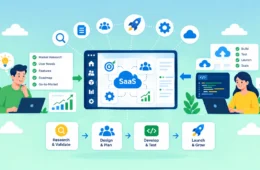
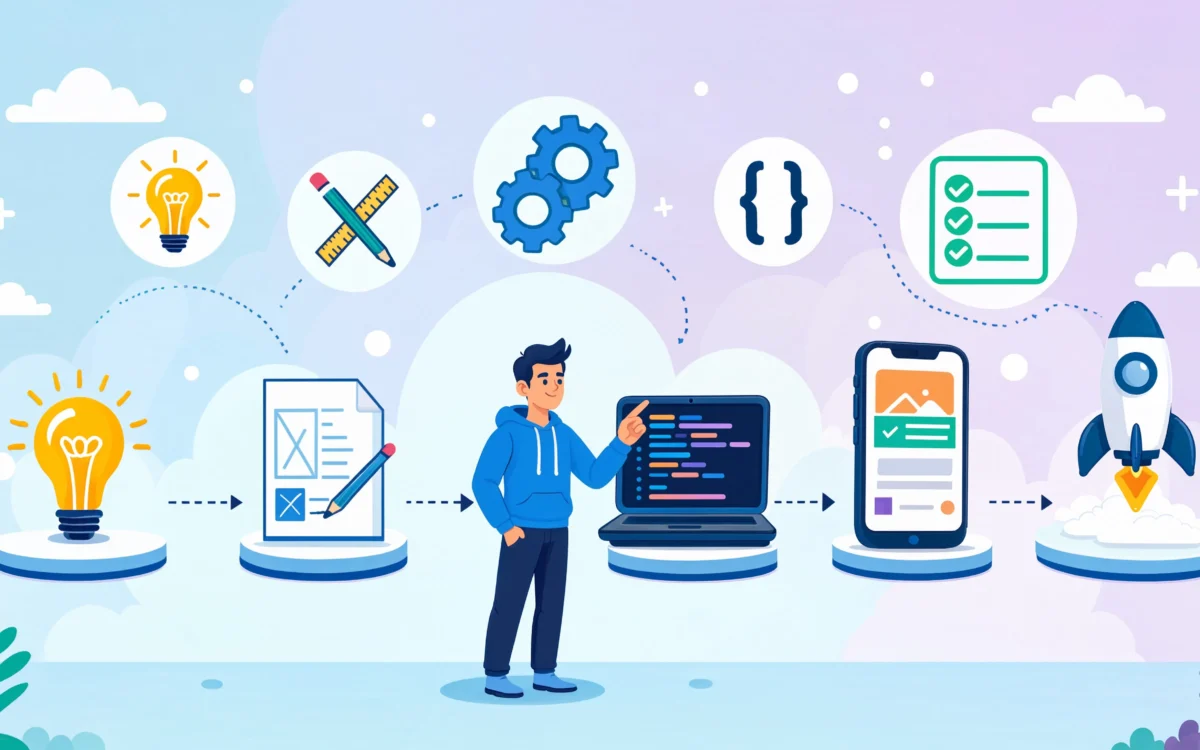
This guide walks through the complete software product development process, from initial validation through to a product genuinely ready for market.
What Software Product Development Actually Means
Software product development is the structured process of taking a product concept and transforming it into a functioning, market ready software product through validation, design, engineering, testing, and iterative refinement. It differs meaningfully from custom software development for a single client, because a product must work for a market of users with varying needs, not one organisation with specific, known requirements.
This distinction shapes every decision in the development process, from how requirements are gathered to how the product architecture is designed for the flexibility a broad market demands.
Stage One: Validating the Idea Before Building Anything
The most expensive mistake in software product development is building extensively before confirming that real customers actually want what you are building. Validation should happen through direct conversations with potential customers, not internal assumptions about what the market needs.
Effective validation involves identifying a specific, painful problem that a defined group of people experiences regularly, confirming that this group is currently solving the problem through expensive, slow, or frustrating workarounds, and testing willingness to pay before writing significant code. A landing page describing the proposed solution, combined with direct outreach to the target audience, often validates or invalidates a concept faster and more cheaply than any amount of internal debate.
Stage Two: Defining the Minimum Viable Product
Once validated, the next critical decision is defining the smallest version of the product that delivers genuine value and can be tested with real users. This is where many founders overreach, attempting to build a comprehensive feature set before confirming the core value proposition resonates.
A well scoped MVP focuses exclusively on the primary workflow that delivers the core value proposition, deliberately excluding secondary features, extensive customisation options, and edge case handling that can be added once the core concept is proven in market.
Stage Three: Technical Architecture and Stack Selection
Architecture decisions made at this stage have consequences that compound over the entire life of the product. Choosing a technology stack and database architecture that can scale with anticipated growth, while remaining appropriately simple for the current stage of the product, requires balancing two competing pressures: building too elaborate an architecture wastes time and money on capacity you may never need, while building too simply creates expensive technical debt that must be unwound later.
For SaaS products specifically, decisions about multi tenancy, subscription billing architecture, and API design should be made deliberately at this stage rather than retrofitted after launch, since these decisions are exponentially more expensive to change once customer data is flowing through the system.
Stage Four: Design and User Experience
Software products live or die on whether users can accomplish their goals quickly and intuitively. User experience design should happen in parallel with early technical architecture work, not as an afterthought once development is already underway.
Effective product design for a new software product involves mapping the complete user journey from first encounter through to habitual use, identifying the specific moments where users are most likely to abandon the product, and designing the interface to minimise friction at exactly those points.
Stage Five: Development and Iterative Delivery
The actual engineering work should proceed in short, demonstrable increments rather than a single long development push toward a distant launch date. This approach, generally referred to as agile or sprint based development, allows the product team to validate that what is being built genuinely matches user needs throughout the process, rather than discovering a mismatch only after months of development.
Regular internal demos, and where possible, testing with real early users during development rather than only after launch, surface usability issues and missing requirements while they remain cheap to address.
Stage Six: Testing and Quality Assurance
Software product quality assurance should cover functional correctness, performance under realistic load, security vulnerabilities, and usability across the range of devices and browsers your target users actually use. For products handling sensitive data, additional security testing and compliance verification become essential before any public launch.
Stage Seven: Launch and Post-Launch Iteration
Launch is not the end of the product development process but a transition into a different mode of development driven by real usage data rather than assumptions. The most successful software products treat the weeks and months immediately following launch as an intensive learning period, using analytics, user feedback, and support inquiries to identify the highest priority improvements.
Understanding where your product sits within the broader SaaS development life cycle helps frame realistic expectations for this post launch phase, since most successful products undergo significant refinement in their first six to twelve months in market.
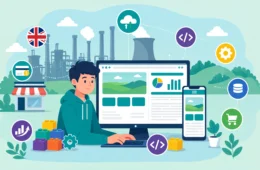
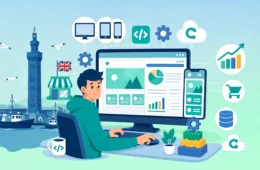
For founders and product teams deciding where to build, web application development in london offers a compelling combination of technical depth, startup ecosystem maturity, and proximity to a dense community of early adopters across finance, retail, health, and professional services. London’s concentration of SaaS businesses and technology-first enterprises creates a feedback loop that is genuinely valuable during the post-launch iteration phase, with potential design partners and beta customers often reachable through the same professional networks as the development team. This ecosystem advantage, combined with one of Europe’s strongest engineering talent pools, makes London one of the most productive environments globally for taking a software product from validated concept to meaningful scale.
Pricing and Monetisation as Part of Product Development
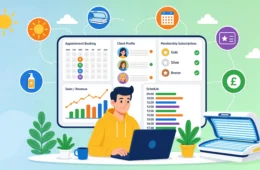
Pricing strategy should be considered throughout the development process, not bolted on just before launch. Reviewing established SaaS pricing models during early product planning ensures your technical architecture supports the monetisation approach you intend to use, since usage based billing, tiered feature access, and seat based pricing each carry different implications for how the product itself should be built.
Common Mistakes That Derail Product Development
Building a comprehensive feature set before validating the core value proposition wastes the majority of early development budget on features that may never matter to real customers. Skipping structured requirements documentation in favour of moving quickly often results in significant rework once genuine requirements surface mid development. Underinvesting in user experience design, treating it as a final polish step rather than a core part of the product, consistently produces functional but unloved products that struggle to retain users.
Building Your Product the Right Way
Software Flux Solutions partners with founders and product teams across every stage of this process, from initial validation discussions through full SaaS development and beyond launch. Whether you are at the idea stage or already have an MVP that needs to evolve into a fuller product, contact our team for a structured conversation about the right next step for your specific product.

Zainab Bibi
Senior SAAS Project Manager
1+ Years of Experience in SAAS Projects Management